Practical technology guidance for small businesses
Better technology decisions start with someone on your side.
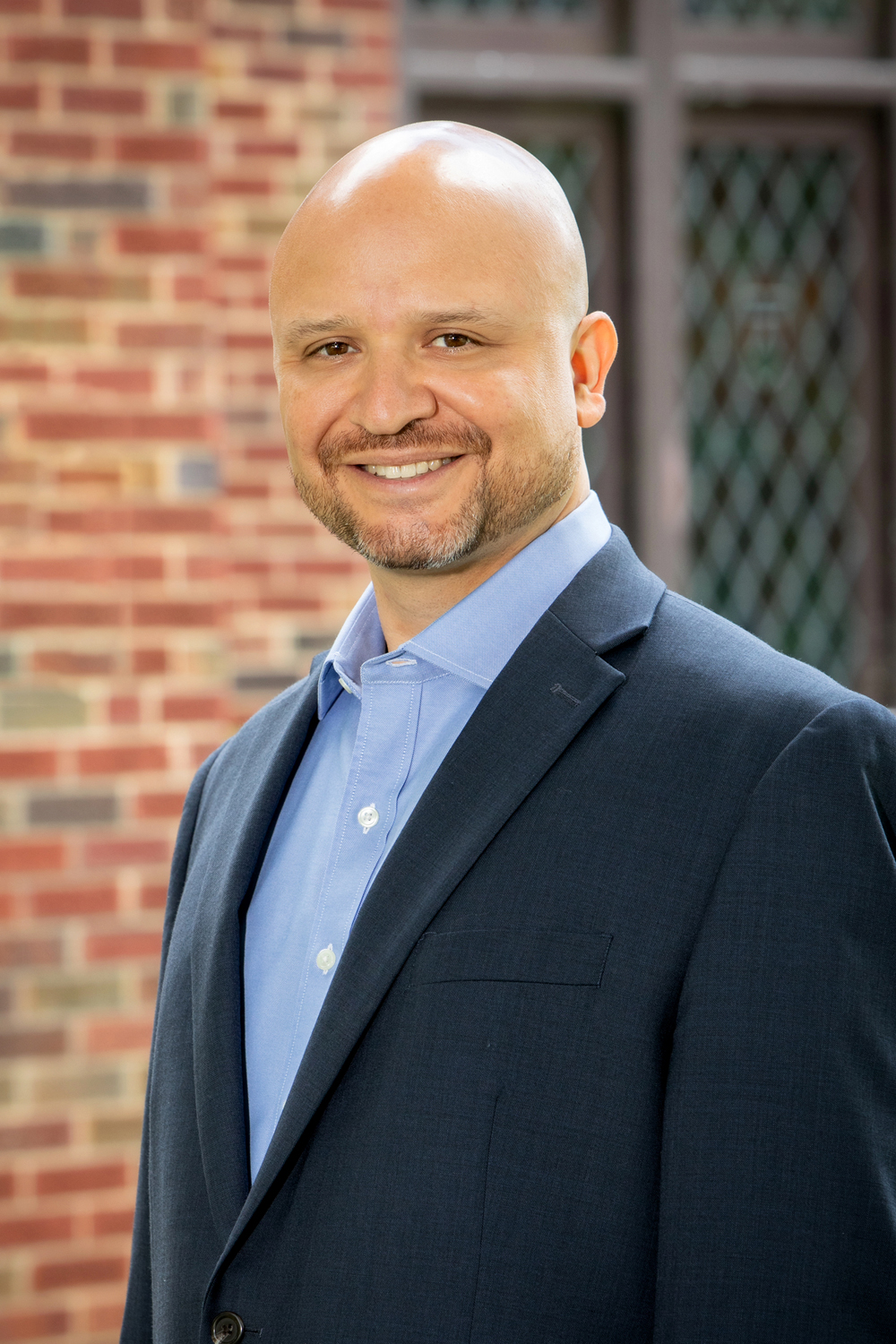
I'm Marcel Brown, The Small Business CIO. I give owners of professional-service firms experienced, independent technology guidance without the cost of a full-time CIO. I help you see the whole picture, understand the trade-offs, and make decisions that serve your business - not a vendor's agenda.
Practical guidance shaped by more than 30 years of technology-consulting experience.
When a technology decision needs more than technical support
You may already have a capable IT provider keeping systems running and helping people day to day. That does not always mean someone is helping you evaluate the bigger business decisions.
An owner-side technology advisor can help when:
- a proposal, renewal, or recommendation is difficult to evaluate
- technology costs are increasing without a clear explanation or plan
- systems and vendors have accumulated without anyone looking at how they fit together
- a project needs planning, coordination, or independent oversight
- security, automation, or AI decisions need practical business context
- an aging system, deferred project, or upcoming change should be addressed before it becomes urgent.
Technology support keeps things working. Technology leadership helps you decide what should happen next.
A fractional CIO provides senior technology guidance without joining your staff full time. The role is different from day-to-day IT support: it connects technology choices to business goals, looks across systems and providers, and helps the owner decide which investments and changes make sense.
I can work alongside your existing managed service provider, vendors, and internal team. My role is to ask the right questions, explain the practical trade-offs, and help everyone work toward the same business priorities.
The right recommendation may be to buy something, change something, or leave the current solution alone. The goal is not simply to spend less. It is to spend appropriately and make a confident, informed decision.
Practical guidance for the decisions that shape your business
Technology strategy and planning
Set priorities, look ahead, and build a practical plan around business goals, budgets, aging systems, upcoming changes, and emerging risks.
Proposals, vendors, and technology decisions
Evaluate important proposals, renewals, products, and recommendations from the owner's point of view. Understand what is necessary, what is optional, and what questions still need answers.
Cost and complexity
Identify duplication, poorly understood spending, and systems that do not work well together. Simplify where it serves the business while preserving investments that still make sense.
Projects and provider coordination
Clarify requirements, compare options, coordinate the parties involved, and keep important projects connected to the result the business actually needs.
Security, automation, and AI
Make proportionate security decisions and apply automation or AI where it solves a real problem. Avoid fear-driven spending and novelty projects that add more complexity than value.
Experienced judgment, explained in plain language
Technology recommendations are only useful when they fit the business. My approach starts with understanding how your organization works, what you are trying to accomplish, and which constraints and trade-offs matter most.
For more than 24 years, I have helped small businesses choose practical, secure, and manageable technology without unnecessary complexity. Today, The Small Business CIO more clearly describes the role I provide: an experienced technology advisor who works from the owner's point of view.
You should expect candid advice, clear explanations, and recommendations made in your interest. That includes being honest about what is still unknown and when the best choice may be to leave an existing solution in place.
Questions business owners often have
We already have an IT company. How is this different?
Your IT provider may do excellent work keeping systems operating and supporting your staff. The Small Business CIO fills a different role: helping you evaluate the larger decisions, connect technology to business priorities, and coordinate recommendations across providers. The two roles can work together.
Is fractional CIO guidance only for larger companies?
No. It is designed for businesses that need experienced technology leadership but cannot justify a full-time CIO. For many small professional-service firms, the need appears around important decisions, projects, changing risks, or ongoing planning rather than a full-time position.
Will you recommend replacing our current provider or systems?
Only when the business case supports it. The right recommendation might be to replace something, improve it, ask different questions, or leave it alone. My role is to help you understand which choice makes sense and why.
Do we need to know exactly what kind of help we need before contacting you?
No. Start with the decision, concern, proposal, or change in front of you. We can discuss what is known, what still needs to be understood, and whether I am the right resource to help.
What technology decision is in front of you?
If you are evaluating a proposal, questioning an expense, planning a project, or trying to make sense of a larger technology issue, we can start with a straightforward conversation.
I will learn about the situation, explain the next questions I would ask, and help determine whether working together would make sense.